

Last Updated: October 12, 2026
Retaining Wall Repair vs Replacement: Key Differences
A retaining wall repair vs replacement guide comes down to one question: is the damage cosmetic or structural?
Retaining wall damage is either cosmetic (hairline cracks, staining, minor chips, the wall still holds soil) or structural (leaning, bulging, deep horizontal cracks, shifting, rotting timber).
| Factor | Repair Makes Sense | Replacement Makes Sense |
|---|---|---|
| Damage type | Cosmetic, surface-level | Structural, load-bearing |
| Wall movement | None or minimal | Leaning, bulging, shifting |
| Water damage | Minor runoff issues | Active erosion, pooling, saturated soil |
If the wall is still doing its job, holding soil without moving, repair is almost always the better call. Once it starts moving, you’re on borrowed time.
Signs of Retaining Wall Failure and Drainage Problems
The clearest signs of retaining wall failure are leaning, bulging, shifting, and worsening cracks. Poor drainage is the most common root cause.
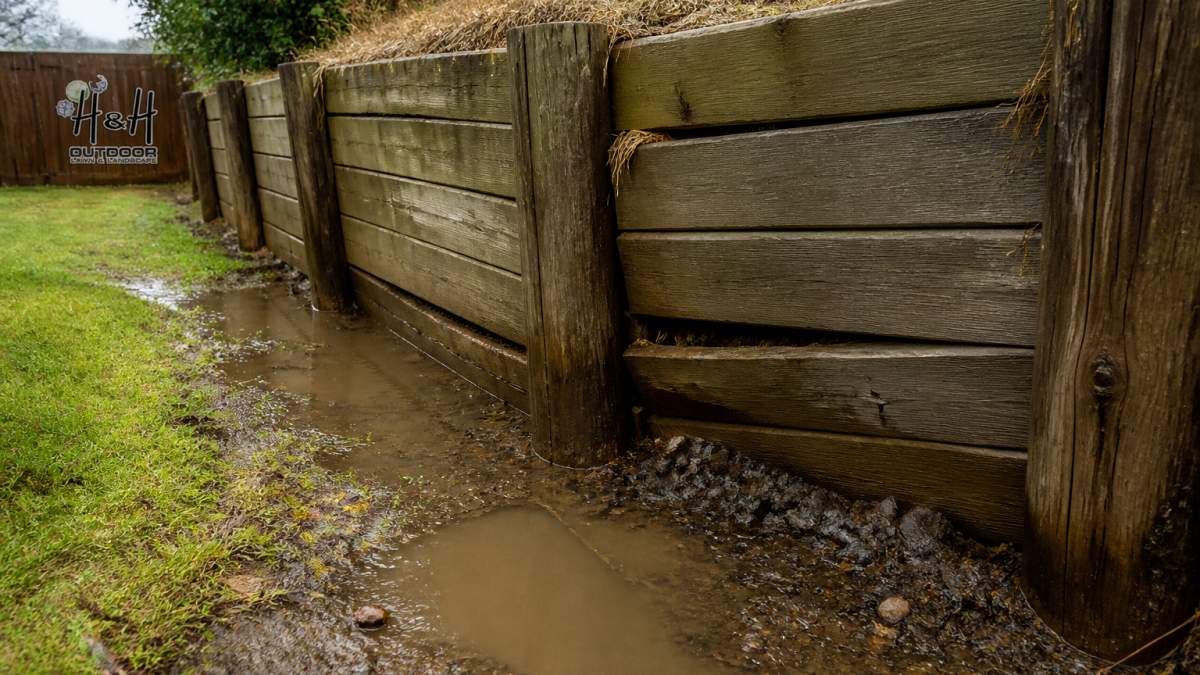
Check for these:
- Leaning: the top tilts away from the soil it holds.
- Bulging: the middle pushes outward from trapped water and saturated soil.
- Shifting: the base moves or the wall slides forward, often the most serious sign.
Drainage is usually the real culprit: trapped water saturates the soil behind the wall, and saturated soil is far heavier and pushes much harder.
Never patch cracks or repaint a wall that’s actively leaning or bulging. Covering the symptom hides the failure while the soil pressure keeps building, and the eventual collapse is more expensive than the repair you skipped.
Retaining Wall Repair Cost, Lifespan, and Replacement Triggers
Retaining wall repair cost depends on damage extent, wall material, height, site access, and drainage work.
Because pricing varies so much by site, we don’t quote blind numbers. Get an on-site estimate so the figure reflects your actual wall, soil, and slope.
Ask any contractor to explain how they’ll handle drainage behind the wall, not just the wall itself. If drainage isn’t in the plan, the repair won’t last through a wet season.
Material-Specific Guidance
Timber walls rot and are usually replaced once boards soften. Concrete and masonry can often be repaired if damage is cosmetic, but structural cracking means replacement. Block walls can sometimes be rebuilt section by section if the failure is localized.
Permits, Engineering, and Property Lines
Taller walls and walls near property lines often require permits or an engineering review. Check with your local building authority before work begins, and confirm the wall sits on your property.
Alternatives to Rebuilding
Sometimes the smartest move isn’t a new wall at all. Regrading the yard slope, improving drainage, or a gentler terraced design can solve the underlying problem for less.
A failing wall rarely fixes itself, and the longer you wait, the more the repair bill grows. If your wall is leaning, bulging, or showing water damage, get it assessed before the next heavy rain. HH Outdoor Tulsa brings more than 26 years of experience to every project, with fully licensed, bonded, and insured crews, personalized design, and drainage solutions built to last through every season. Get a free estimate and find out whether repair or replacement is right for your wall.


